Old Vases: Hidden Treasure or Dusty Risk?
Buying an old vase can feel like stepping into a small piece of history. These objects often carry stories that new, mass-produced items simply don’t have. But at the same time, not every old vase is worth bringing home. This text can help you, as a reader, decide if an old vase is right for you.
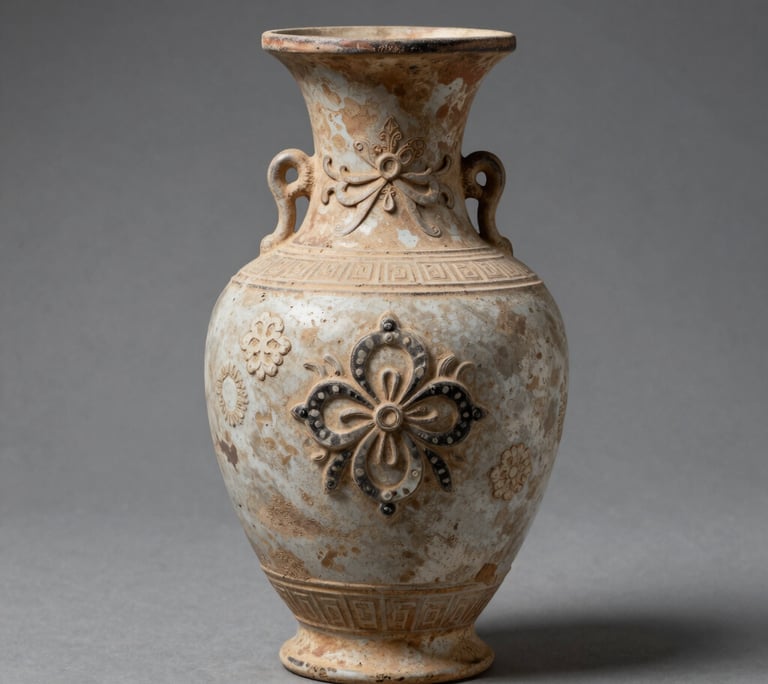
One of the biggest reasons people are drawn to old vases is their uniqueness. Unlike modern factory-made decor, antique or vintage vases often have distinct shapes, patterns, and craftsmanship. Some were handmade by artisans, meaning no two pieces are exactly the same. This makes them appealing for people who want their home to feel more personal and less generic. For example, many of us have seen these minimalistic modern vases that feel like background decor rather than attention grabbers.
Another reason is historical or emotional value. An old vase might come from a specific time period, region, or cultural tradition. Collectors often enjoy owning something that represents a slice of the past. Even if you’re not a serious collector, there’s something satisfying about holding an object that existed long before you did. So, figure out for yourself if you like uniqueness and history. If the answer is yes, then old vases might suit you.
These vases from a long time ago can also be a smart investment in some cases. Rare or well-preserved pieces can increase in value over time. This is especially true if the vase is from a known maker or historical style. However, this is where things get tricky—because not every old vase is valuable, and determining authenticity often requires knowledge or expert help. If you are going after investment value, the extra tip here is to consult an antique appraiser who has experience with vases.
On the other hand, there are reasons to be cautious. Old vases may have hidden damage like cracks, repairs, or weakening materials that aren’t immediately visible. Some may also be overpriced simply because they are labeled “antique,” even if they aren’t rare or significant. Here, you should inspect the vase in advance to make sure it does not have any hairline cracks or glued sections, which would be major red flags.
Modern vases are generally better in terms of maintenance on average. Think of an old vase as an old car—it has a higher chance of breaking, so you can expect more time spent on repairs. Old ceramic vases are also prone to glaze damage from harsh cleaning chemicals.
Final verdict:
1. Ask yourself if you care about uniqueness and historical value in a vase. If yes, then consider buying an old vase.
2. If you are seeking a smart investment, it is a good idea to consult an antique appraiser specializing in vases before making such an important purchase.
3. Before purchasing an old vase, be aware of any existing damage, hairline cracks, or glued sections, and be ready to maintain it more carefully.