Brass Vases: What No One Tells You Before You Buy One
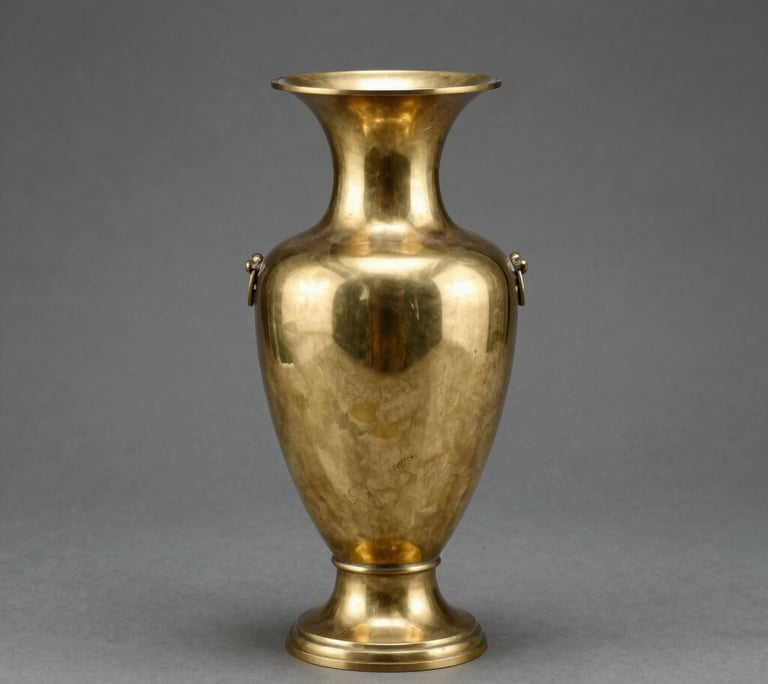
Brass vases look simple on the surface—golden, solid, and timeless—but buying one is less straightforward than it seems. The difference between one that feels like an heirloom and one that might disappoint you can be subtle.
First, not all brass is equal. “Brass” is an alloy of copper and zinc, but the ratio varies widely. Higher copper content usually gives a richer, deeper gold tone and better aging over time, while cheaper blends can look overly yellow or even slightly dull. Some vases are also just brass-plated steel or aluminum, which will eventually reveal the material underneath. Pro tip: solid brass is relatively heavy for its size, and you should pay attention to that.
You also have to pay attention to the edges and joints. Solid brass usually has a consistent appearance in these areas. These parts of the vase are the ones that can chip or fade more easily over time.
Function is another overlooked factor. Many brass vases are designed more as decorative objects than functional containers. If you plan to use one for fresh flowers, check whether the interior is sealed or lined. Unlined brass, for example, can react badly with water and flowers.
Finally, consider craftsmanship. Seamless construction, even wall thickness, and clean joins signal higher-quality manufacturing. Mass-produced brass vases are usually not perfectly symmetrical.
Verdict:
1. Weight: Solid brass is usually heavier for its size.
2. Edges and joints: Solid brass has a consistent appearance in these areas and does not show uneven wear.
3. Function: Many brass vases are sensitive to water and flowers, so they are often better as decorative objects.
4. Craftsmanship: Mass-produced brass vases are often less symmetrical. Higher craftsmanship usually means better precision and balance.