Things to Consider Before Buying a Japanese Vase
Japanese vases are admired around the world for their elegance, craftsmanship, and cultural significance. You can purchase one as a decorative piece, a collectible, or a gift, but there are several important factors to consider before making your choice.
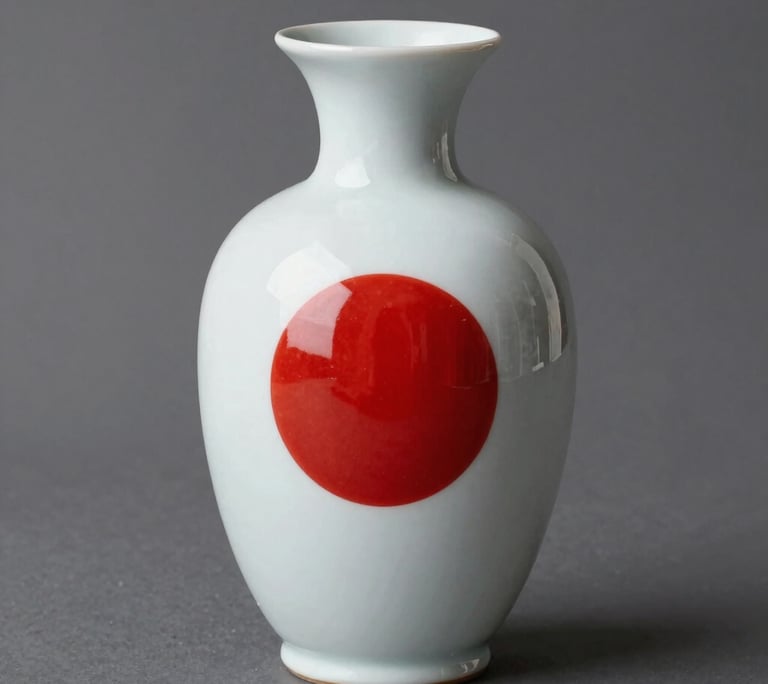
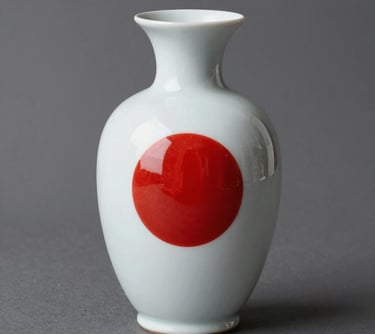
First, pay attention to the material and style of the vase. Traditional Japanese vases are commonly made from porcelain or earthenware. Each material has a unique texture and appearance depending on your preference. If we have to recommend a Japanese vase material that feels luxurious and glossy, go for porcelain. Popular styles with that material include Arita ware, Kutani ware, and Imari ware.
The purpose of the vase should also influence your decision. Some Japanese vases are designed specifically for flower arrangements such as ikebana, the traditional Japanese art of flower arranging. These vases may have unique shapes that support minimalist floral designs. You need to ask yourself: do you want a vase that supports flower arrangement or a vase that is a masterpiece on its own?
Size and placement matter as well. Before buying, think about where the vase will be displayed. A large floor vase can become the centerpiece of a room, while a smaller vase may work better on a shelf, table, or office desk. Otherwise, placing a large vase on a shelf or a small vase on the ground may not be the best approach in most cases.
Condition is especially important if you are buying an antique or collectible vase. Carefully inspect the item for cracks, chips, discoloration, or repairs. Even minor damage can affect both appearance and value. Japanese vases are usually ceramic, and if you are buying an antique one, look for damages such as hairline cracks and glued sections.
Finally, set a realistic budget. Japanese vases range from affordable decorative items to rare collector’s pieces worth a lot. Price often depends on the age, artist, craftsmanship, and rarity of the vase. Two important factors that can increase the price are the condition (with or without damage) and the craftsmanship (handcrafted from well-known kiln traditions versus mass-produced).
Final verdict:
1. Material: You can choose earthenware for a warmer feel or porcelain for a more premium feel. Both earthenware and porcelain are under the ceramic umbrella term.
2. Style: Popular ones are Arita ware, Kutani ware, and Imari ware.
3. Purpose: Vase suitable for flower arrangements such as ikebana, or a standalone vase.
4. Size: Large ones are suitable for floors, while small ones are suitable for shelves.
5. Condition: Look for hairline cracks, glued sections, discoloration, and general damage.
6. Budget: Important factors that can increase the price are lack of damage and craftsmanship from well-known Japanese kiln traditions.